Angela Desimone (8/9/1878-4/13/1912) Angela Married Frank J. Bertucci (1874) on November 28, 1900.They had one daughter, Gladys Angeline Bertucci born in 1907, and one son, Salvador Bertucci born in 1903. Angela died on April 13, 1912. In 1910 the little family was living on 1012 eighth street New Orleans. Frank worked at an Oyster Saloon. Frank remarried after Angela’s death. Gladys eventually married Mr. Layman.
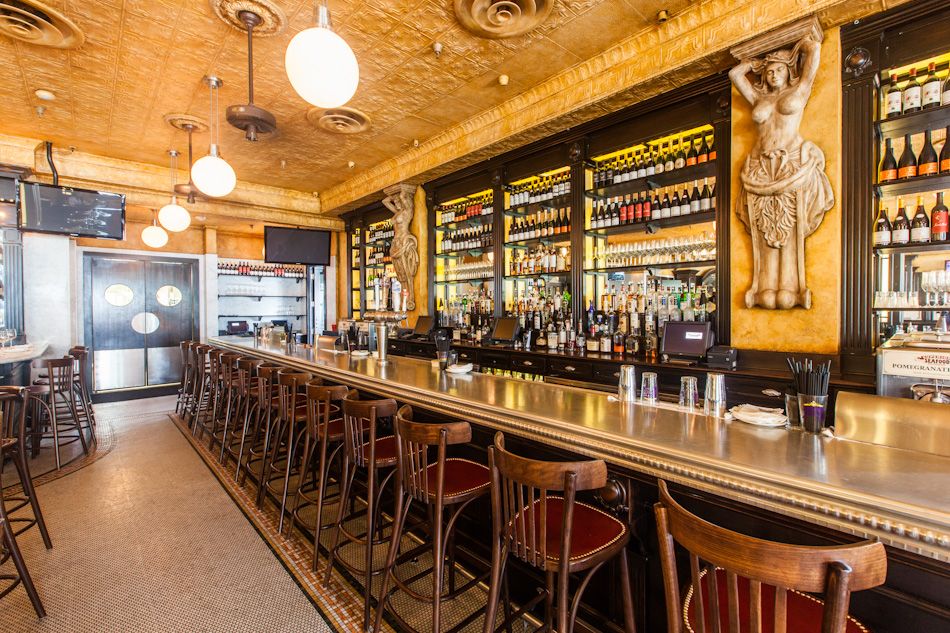
Angelina Desimone (1875-1959), Married Francesco Basile on June 19, 1895. They had one son, Francesco Basile Jr (1896-1987). Francesco shortened his name to Frank. He was a hard worker and by 1910 had purchased a home at 2731 Washington Ave, New Orleans, which he owned free and clear. He also owned and ran a bar room restaurant. He is buried in Matairie Cemetery in New Orleans.
Lucia Desimone (8/11/1870- ) married Giovanni Losecco in 4/20/1899. At this time I could find no additional records for either Giovanni, AKA John Losacco or Lucia Desimone.
Unknown female- no additional records have been located on this child at this time.
1891 was a turbulent year for New Orleans Italian population. With the influx of Italian’s fleeing the unrest in Italy, New Orleans natives were feeling increased agitation for the new immigrants. Tensions rose over a perceived scarcity of jobs and an increase in crime that locals attributed to the Italian immigrants. This all came to a head with the first murder of a police officer in New Orleans, Chief of police David C. Hennessy on October 15, 1890. Chief Hennessy lived with his widowed mother on Basin Street in New Orleans. On that evening he was leaving the Central Police Station with Captain William O’Connor. Both men were heading home, Hennessey to Basin Street, O’Connor to 273 Girod Street in uptown New Orleans. The two men walked together a short distance, then went their separate ways in opposite directions. As Chief Hennessey was reaching his doorstep a group of men leapt out at him from the darkness and started shooting at him. One of the bullets pierced his liver and settled in his chest, another shattered his right leg. Hennessey returned fire but he was mortally wounded. O’Connor, hearing gun shots ran the Hennessey’s side. The men fled and Hennessey lay dying in front of his own home. O’Connor would testify that Hennesey spoke to him as he knelt beside his friend saying, “Oh, Billy, Billy, they have given it to me and I gave them back the best way I could.” O’Connor allegedly asked him, “who did this, Dave?” To which Hennessey responded, “The Dagoes”. Hennessey survived the trip to the hospital and was able to speak with his mother one last time, but within a few hours he was dead. The Chief of police had a grand funeral attended by thousands of mourners.
Although Hennessey could not identify the perpetrators and O’connor arrived only after they had fled, the Mayor, Joseph Shakespeare, spoke to the City Council after the funeral and declared, “We must teach these people a lesson that they will not forget for all time.” Hennessey had been a well-loved police officer in the city and his death led to a cry for justice form the people The News Papers, eager for a good story, stirred the pot and printed that the murder of a police man was “a declaration of war”, and an “Italian Assassination”. The mayor ordered a dragnet of the French Quarter, where many of the Italian immigrants had settled, and over two hundred and fifty men were arrested. Nineteen of those were charged with murder.
The newspapers played up the event over the next several months, inciting the populace to believe the men under arrest were part of a secret society of organized crime. It was then that the term Mafia was first used and the papers used it well.
In February 1891 the trial was finally held. The papers captured a daily play by play o the trial events and on February 28, 1891, the verdict was reached- NOT GUILTY. The following day the papers published a public call to action, stating, “we will gather and go to the prison and clear out these Sicilian mafia thugs.” The following day a large crowd gathered, no longer an outraged public, but a vengeful mob. They stored the prison. The warden tried to save the prisoners, letting them out of their cells and telling them to hide wherever they could. The Warden and his men tried to ward off the crowd, but they were quickly subdued, and the mob flooded the prison. The first few men they spotted were filled with bullets, several others were dragged out of the prison and hung from the lampposts and Oak tree. The hanged men were left to dangle as a warning to their friends and family. While they dangled, struggling against the hang man’s noose, they were used for target practice while they swung. Eleven men were hung that day. The papers across the country declared that Chief Hennessey was avenged. No action was ever taken against the crowd, not was the act condemned.
Two things came of this heinous action, the word Mafia entered the American lexicon, and Italy, disgusted by the events and the lack of condemnation for the act by any government official cut all diplomatic ties with the US.
The following people were lynched:
Antonio Bagnetto, fruit peddler: Tried and acquitted.
(Antonia left behind a wife and at least three children; Joseph Bagnetto, Camille Bagnetto Marie Bagnetto )
James Caruso, stevedore: Not tried.
Loreto Comitis, tinsmith: Not tried.
( left behind a wife and one child)
Rocco Geraci, stevedore: Not tried.
(left behind a wife ,Carolina Lazzaro and the following children: Luigi, Maria, Rosalie, Giacomo, Giaccomo
Joseph Macheca, American-born former blockade runner, fruit importer, and political boss of the New Orleans Italian-American community for the Regular Democratic Organization: Tried and acquitted.
( He left a wife and one son,John J Macheca )
Antonio Marchesi, fruit peddler: Tried and acquitted.
(left a 14 year old son with no other family)
Pietro Monasterio, cobbler: Mistrial.
(Arrived in the US from Italy January 17, 1890. He had family in Italy)
Emmanuele Polizzi, street vendor: Mistrial.
(Left behind a common law wife and no children)
Frank Romero, ward heeler for the Regular Democratic Organization: Not tried.
Antonio Scaffidi, fruit peddler: Mistrial.
Charles Traina, rice plantation laborer: Not tried.
The following people managed to escape lynching by hiding inside the prison:
John Caruso, stevedore: Not tried.
Bastian Incardona, laborer: Tried and acquitted.
Gaspare Marchesi, 14, son of Antonio Marchesi: Tried and acquitted.
Charles Mantranga, labor manager: Tried and acquitted.
Peter Natali, laborer: Not tried.
Charles Pietza (or Pietzo), grocer: Not tried.
Charles Patorno, merchant: Not tried.
Salvatore Sinceri, stevedore: Not tried.
Angelina Desimone (1875-1959), Married Francesco Basile on June 19, 1895. They had one son, Francesco Basile Jr (1896-1987). Francesco shortened his name to Frank. He was a hard worker and by 1910 had purchased a home at 2731 Washington Ave, New Orleans, which he owned free and clear. He also owned and ran a bar room restaurant. He is buried in Matairie Cemetery in New Orleans.
Lucia Desimone (8/11/1870- ) married Giovanni Losecco in 4/20/1899. At this time I could find no additional records for either Giovanni, AKA John Losacco or Lucia Desimone.
Unknown female- no additional records have been located on this child at this time.
1891 was a turbulent year for New Orleans Italian population. With the influx of Italian’s fleeing the unrest in Italy, New Orleans natives were feeling increased agitation for the new immigrants. Tensions rose over a perceived scarcity of jobs and an increase in crime that locals attributed to the Italian immigrants. This all came to a head with the first murder of a police officer in New Orleans, Chief of police David C. Hennessy on October 15, 1890. Chief Hennessy lived with his widowed mother on Basin Street in New Orleans. On that evening he was leaving the Central Police Station with Captain William O’Connor. Both men were heading home, Hennessey to Basin Street, O’Connor to 273 Girod Street in uptown New Orleans. The two men walked together a short distance, then went their separate ways in opposite directions. As Chief Hennessey was reaching his doorstep a group of men leapt out at him from the darkness and started shooting at him. One of the bullets pierced his liver and settled in his chest, another shattered his right leg. Hennessey returned fire but he was mortally wounded. O’Connor, hearing gun shots ran the Hennessey’s side. The men fled and Hennessey lay dying in front of his own home. O’Connor would testify that Hennesey spoke to him as he knelt beside his friend saying, “Oh, Billy, Billy, they have given it to me and I gave them back the best way I could.” O’Connor allegedly asked him, “who did this, Dave?” To which Hennessey responded, “The Dagoes”. Hennessey survived the trip to the hospital and was able to speak with his mother one last time, but within a few hours he was dead. The Chief of police had a grand funeral attended by thousands of mourners.
Although Hennessey could not identify the perpetrators and O’connor arrived only after they had fled, the Mayor, Joseph Shakespeare, spoke to the City Council after the funeral and declared, “We must teach these people a lesson that they will not forget for all time.” Hennessey had been a well-loved police officer in the city and his death led to a cry for justice form the people The News Papers, eager for a good story, stirred the pot and printed that the murder of a police man was “a declaration of war”, and an “Italian Assassination”. The mayor ordered a dragnet of the French Quarter, where many of the Italian immigrants had settled, and over two hundred and fifty men were arrested. Nineteen of those were charged with murder.
The newspapers played up the event over the next several months, inciting the populace to believe the men under arrest were part of a secret society of organized crime. It was then that the term Mafia was first used and the papers used it well.
In February 1891 the trial was finally held. The papers captured a daily play by play o the trial events and on February 28, 1891, the verdict was reached- NOT GUILTY. The following day the papers published a public call to action, stating, “we will gather and go to the prison and clear out these Sicilian mafia thugs.” The following day a large crowd gathered, no longer an outraged public, but a vengeful mob. They stored the prison. The warden tried to save the prisoners, letting them out of their cells and telling them to hide wherever they could. The Warden and his men tried to ward off the crowd, but they were quickly subdued, and the mob flooded the prison. The first few men they spotted were filled with bullets, several others were dragged out of the prison and hung from the lampposts and Oak tree. The hanged men were left to dangle as a warning to their friends and family. While they dangled, struggling against the hang man’s noose, they were used for target practice while they swung. Eleven men were hung that day. The papers across the country declared that Chief Hennessey was avenged. No action was ever taken against the crowd, not was the act condemned.
Two things came of this heinous action, the word Mafia entered the American lexicon, and Italy, disgusted by the events and the lack of condemnation for the act by any government official cut all diplomatic ties with the US.
The following people were lynched:
Antonio Bagnetto, fruit peddler: Tried and acquitted.
(Antonia left behind a wife and at least three children; Joseph Bagnetto, Camille Bagnetto Marie Bagnetto )
James Caruso, stevedore: Not tried.
Loreto Comitis, tinsmith: Not tried.
( left behind a wife and one child)
Rocco Geraci, stevedore: Not tried.
(left behind a wife ,Carolina Lazzaro and the following children: Luigi, Maria, Rosalie, Giacomo, Giaccomo
Joseph Macheca, American-born former blockade runner, fruit importer, and political boss of the New Orleans Italian-American community for the Regular Democratic Organization: Tried and acquitted.
( He left a wife and one son,John J Macheca )
Antonio Marchesi, fruit peddler: Tried and acquitted.
(left a 14 year old son with no other family)
Pietro Monasterio, cobbler: Mistrial.
(Arrived in the US from Italy January 17, 1890. He had family in Italy)
Emmanuele Polizzi, street vendor: Mistrial.
(Left behind a common law wife and no children)
Frank Romero, ward heeler for the Regular Democratic Organization: Not tried.
Antonio Scaffidi, fruit peddler: Mistrial.
Charles Traina, rice plantation laborer: Not tried.
The following people managed to escape lynching by hiding inside the prison:
John Caruso, stevedore: Not tried.
Bastian Incardona, laborer: Tried and acquitted.
Gaspare Marchesi, 14, son of Antonio Marchesi: Tried and acquitted.
Charles Mantranga, labor manager: Tried and acquitted.
Peter Natali, laborer: Not tried.
Charles Pietza (or Pietzo), grocer: Not tried.
Charles Patorno, merchant: Not tried.
Salvatore Sinceri, stevedore: Not tried.
 RSS Feed